

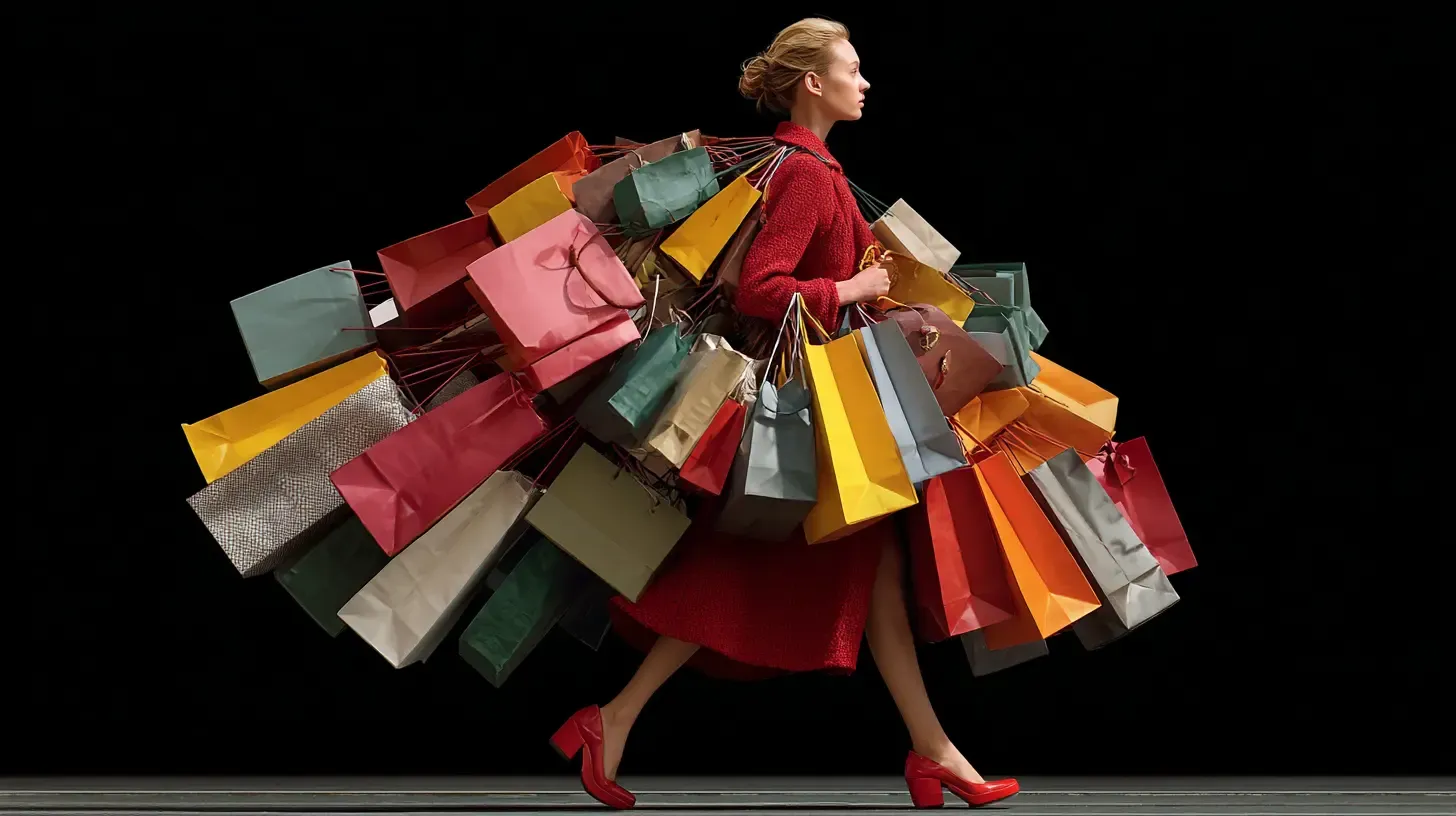
Something remarkable has been happening across social media platforms, but it's not a new TikTok dance trend.
A growing movement of young people, particularly Gen Z, is rejecting the endless cycle of consumption that has defined Western culture for decades. Known as "underconsumption core," or the "anti-consumerism movement", it represents far more than a fleeting social media fad.
This rebellion matters because it signals a fundamental shift in how an entire generation views value, identity, and participation in economic systems.
The evidence of resistance
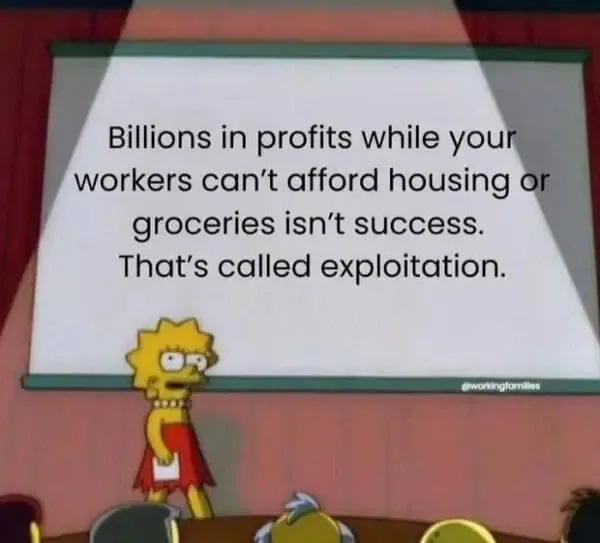
Gen Z has been labeled "the most anti-consumerist generation yet," and the data supports this characterization. The "No Buy 2025" movement encourages participants to abstain from non-essential purchases for an entire year, promoting financial mindfulness and environmental consciousness. Dubbed "不买2025" in China, the pledge has caught on globally, with participants curbing discretionary spending and swearing off new purchases.
On TikTok, the "underconsumption core" trend has captured millions of views, with young people proudly sharing videos of modest closets, thrift store finds, and well-used daily items rather than flaunting excessive collections. This movement directly challenges influencer culture and the haul videos that normalized overconsumption. What's striking is that this isn't simply about spending less—it's about spending smarter, being more selective, and aligning purchases with personal values.
What's driving the shift
Several interconnected forces are fueling this resistance:
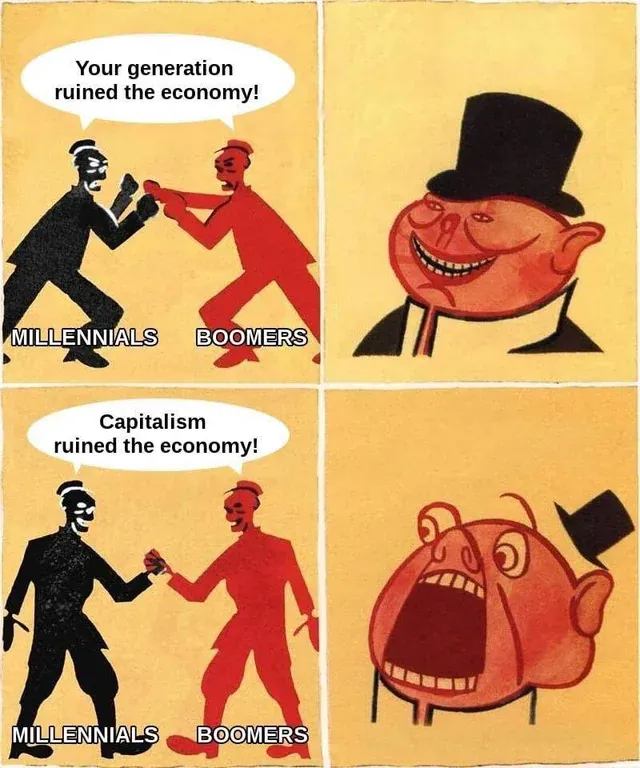
Economic pressures: Rising inflation and living costs have forced many to reevaluate spending habits. Between 1999 and 2022, U.S. rent surged 135% while incomes grew only 77%, creating unprecedented financial strain on younger generations.
Environmental awareness: Youth climate activists recognize that degrowth (reducing material throughput in overdeveloped countries) is essential for planetary wellbeing. The movement acknowledges planetary boundaries and the thermodynamic need to decrease production and consumption in the Global North.
Digital disillusionment: After years of algorithm-driven consumption nudges and influencer marketing, many young people are pushing back against the "constant selling" mentality that pervades social media.
Mental wellbeing: Reducing unnecessary purchases alleviates stress and promotes a sense of control over one's finances and life direction.
From passive consumers to active agents
This movement represents a form of "silent strike" against global consumer capitalism. Young people are increasingly practicing minimalism, buying secondhand whenever possible, and delaying or skipping purchases to avoid excess. The rise of subscription-based and invite-only shopping platforms reflects a demand for curated, meaningful ownership rather than impulsive accumulation.
Crucially, this shift connects to broader questions about governance, value creation, and human coordination. As Future's Edge recognizes, the extractive architectures of traditional consumer capitalism have failed young people, leaving them "promised so much and given so little". The anti-consumerism movement isn't simply about rejecting products—it's about rejecting the entire system of predatory value extraction that positions people as resources rather than stakeholders.
Building alternatives through collective action
The resistance to hyper-consumerism aligns with Future's Edge's vision of youth-led transformation through decentralized collaboration. Just as young climate activists are building movements for systemic change, the anti-consumption movement demonstrates that Gen Z refuses to accept outdated models that prioritize short-term profit over long-term sustainability and wellbeing.
This generation understands that real change requires more than individual consumer choices—it demands new institutional forms. By building transparent, trust-driven ecosystems where participation equals ownership, young people can create alternatives to extractive capitalism. The movement from hyper-consumerism to intentional living mirrors the broader shift from hierarchical value extraction to decentralized value creation.
The quiet rebellion is gaining momentum. Young people worldwide are walking away from the mythology that fulfillment comes through consumption. They're discovering that meaning, purpose, and genuine prosperity emerge from collaboration, contribution, and collective advancement—not from endless accumulation. This isn't a trend; it's a transformation.